Understanding Anxiety and Depression: A Comprehensive Overview
Anxiety and depression are two of the most common mental health conditions affecting millions of people worldwide. While they are distinct disorders, they often overlap and can exacerbate each other, making their management and treatment particularly challenging. This comprehensive overview will explore the nature of anxiety and depression, their symptoms, causes, and impact, as well as current approaches to treatment and management.
What is Anxiety?
Anxiety is a natural response to stress or danger, characterized by feelings of unease, worry, or fear. It can be beneficial in some situations by alerting individuals to potential threats and preparing them to respond. However, when anxiety becomes persistent or overwhelming, it can become a disorder.
Types of Anxiety Disorders
Generalized Anxiety Disorder (GAD):
Marked by chronic and excessive worry about various aspects of life, including work, health, and social interactions. Individuals with GAD often struggle to control their anxiety and may experience physical symptoms such as fatigue, restlessness, and muscle tension.
Panic Disorder:
Characterized by recurrent, unexpected panic attacks, which are intense episodes of fear that can include physical symptoms such as rapid heartbeat, sweating, and dizziness. Panic disorder often leads to avoidance behaviors to prevent future attacks.
Social Anxiety Disorder (SAD):
Involves intense fear of social situations where one might be scrutinized or judged by others. This fear can lead to avoidance of social interactions and significant distress in daily life.
Social Anxiety Disorder (SAD):
Involves intense fear of social situations where one might be scrutinized or judged by others. This fear can lead to avoidance of social interactions and significant distress in daily life.
Symptoms of Anxiety Disorders
Persistent worry or fear
Restlessness or feeling on edge
Difficulty concentrating or mind going blank
Muscle tension
Sleep disturbances (insomnia or restless sleep)
Physical symptoms such as sweating, trembling, or dizziness
What is Depression?
Depression, or major depressive disorder (MDD), is a mental health condition marked by persistent feelings of sadness, hopelessness, and a lack of interest or pleasure in activities once enjoyed. Depression can affect various aspects of life, including emotional well-being, physical health, and daily functioning.
Types of Depression
Major Depressive Disorder (MDD):
Involves severe symptoms that interfere with daily life and functioning. Symptoms include persistent sadness, loss of interest in activities, changes in appetite or weight, and thoughts of death or suicide.
Persistent Depressive Disorder (PDD) or Dysthymia:
A chronic depression form marked by a low mood lasting at least two years. Symptoms resemble Major Depressive Disorder (MDD) but are typically less severe and persistently present.
Bipolar Disorder:
Mood swings include depressive episodes like MDD and periods of mania or hypomania, marked by elevated mood, increased energy, and impulsive behavior. Symptoms vary between deep sadness and intense euphoria.
Seasonal Affective Disorder (SAD):
A type of depression that occurs seasonally, usually in winter when natural sunlight is reduced. Symptoms include low energy, irritability, and changes in sleep patterns. This condition, known as Seasonal Affective Disorder (SAD), impacts mood and daily functioning.
Symptoms of Depression
Persistent feelings of sadness or emptiness
Loss of interest or pleasure in previously enjoyed activities
Significant changes in appetite or weight
Sleep disturbances (insomnia or excessive sleeping)
Fatigue or loss of energy
Thoughts of death or suicide
Impact of Anxiety and Depression
Anxiety and depression can have a profound impact on various aspects of life, including personal relationships, work or academic performance, and physical health.
Impact on Personal Relationships
Both anxiety and depression can strain relationships with family, friends, and partners. Individuals may withdraw from social interactions, struggle with communication, or have difficulty fulfilling responsibilities, leading to misunderstandings and conflict.
Impact on Work or Academic Performance
Anxiety and depression can affect concentration, motivation, and overall productivity. Individuals may find it challenging to meet deadlines, participate in meetings, or engage in academic activities, which can lead to performance issues and absenteeism.
Impact on Physical Health
Chronic anxiety and depression can contribute to physical health problems, including chronic pain, gastrointestinal issues, and weakened immune function. Additionally, the stress associated with these conditions can exacerbate existing health problems and increase the risk of developing new ones.
Treatment and Management of Anxiety and Depression
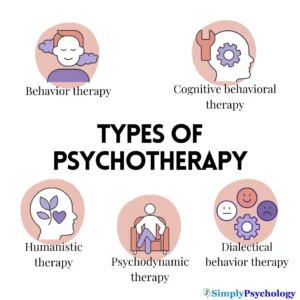
Effective treatment and management of anxiety and depression often involve a combination of approaches, including psychotherapy, medication, and lifestyle changes.
Psychotherapy
Cognitive Behavioral Therapy (CBT):
A widely used approach that identifies and changes negative thought patterns and behaviors. Cognitive Behavioral Therapy (CBT) helps individuals develop healthier coping strategies and improve problem-solving skills to better manage their mental health.
Interpersonal Therapy (IPT):
Focuses on enhancing interpersonal relationships and communication skills. Interpersonal Therapy (IPT) is effective for tackling social support issues and resolving relationship problems, helping individuals improve their connections and interactions with others.
Acceptance and Commitment Therapy (ACT):
Encourages individuals to accept their thoughts and feelings rather than trying to control or avoid them. ACT emphasizes living in accordance with personal values and committing to behavioral changes.
Mindfulness-Based Therapies:
Incorporate mindfulness techniques like Mindfulness-Based Stress Reduction (MBSR) and Mindfulness-Based Cognitive Therapy (MBCT) to help individuals recognize their thoughts and feelings without judgment, fostering greater self-awareness and emotional balance.
Medication

Antidepressants:
Medications such as selective serotonin reuptake inhibitors (SSRIs), serotonin-norepinephrine reuptake inhibitors (SNRIs), and atypical antidepressants can help regulate mood and reduce symptoms of depression.
Anxiolytics:
Medications such as benzodiazepines and buspirone can help manage symptoms of anxiety, although they are typically used for short-term relief due to the risk of dependence with long-term use.
Mood Stabilizers:
For individuals with bipolar disorder, mood stabilizers such as lithium or certain anticonvulsants may be prescribed to manage mood swings and prevent episodes of depression and mania.
Conclusion
Anxiety and depression are complex mental health conditions that require a nuanced and comprehensive approach to treatment and management. Understanding the nature, causes, and impact of these disorders is crucial for effective intervention. Through a combination of psychotherapy, medication, and lifestyle changes, individuals can work towards managing their symptoms and improving their quality of life. It is important for those experiencing anxiety or depression to seek professional help and support, as early intervention can lead to better outcomes and overall well-being.